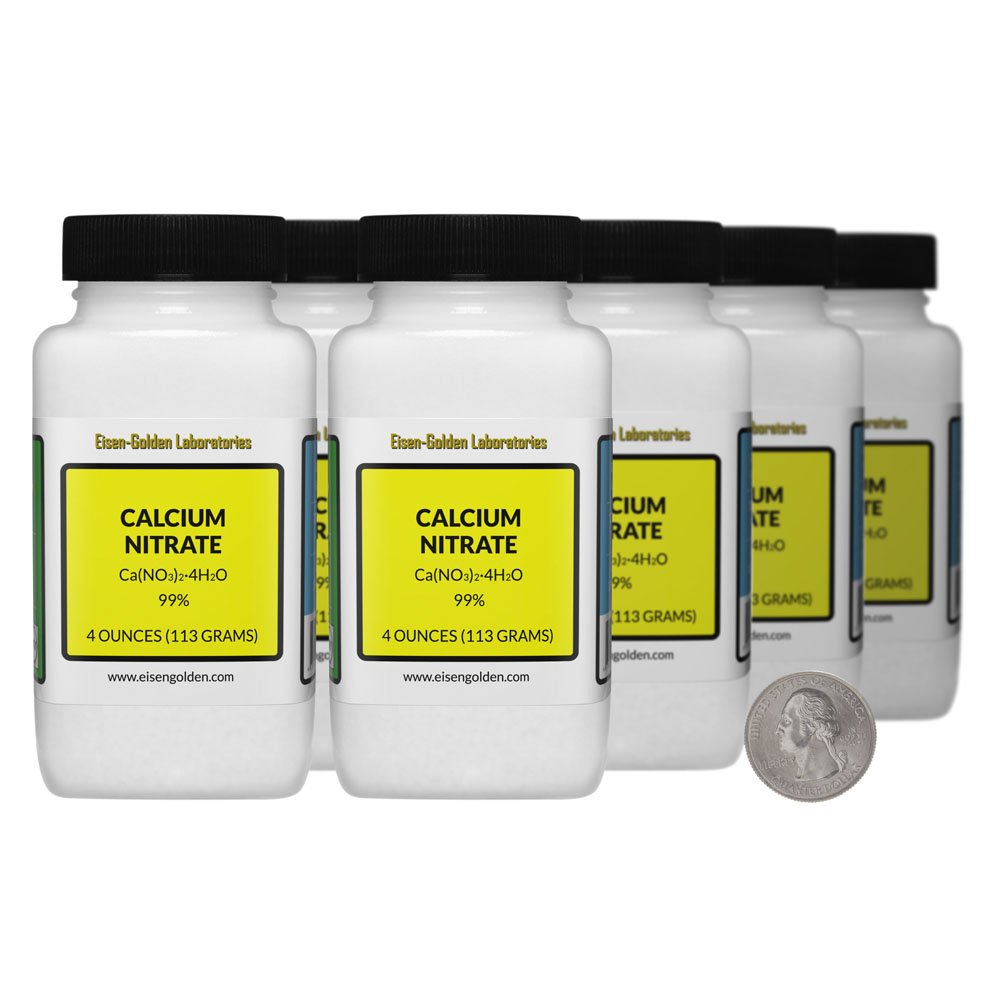
Calcium Nitrate Fortified

Total Nitrogen
10%
Nitrate Nitrogen
8.5%
CaO
15%
MgO
2%
pH
9%
Uses / Compatibility / Stability
- Promotes cell wall strength, reducing disorders like blossom end rot in tomatoes and peppers.
- Helps improve soil structure and drainage by displacing sodium.
- Most water-soluble fertilizers. Micronutrients like Fe, Mn, Zn (as EDTA chelates). Urea, potassium nitrate, magnesium nitrate, and other nitrate-based fertilizers.
- Store in cool, dry place. Avoid high humidity to prevent caking or liquefaction. Keep away from organic materials and combustibles due to mild oxidizing nature.
- Use separate tanks for phosphates/sulfates and calcium nitrate. Apply through different irrigation events or with a bypass tank to avoid reactions.
- Supplies both calcium (Ca) and nitrate nitrogen (NO₃⁻) which are crucial for plant growth.
- Calcium strengthens cell walls, reducing chances of blossom-end rot, cracking, and other calcium deficiency disorders.
- Enhances firmness, shelf life, and appearance of fruits and vegetables.
- Can be mixed with most fertilizers and used in fertigation systems or foliar applications.
- Helps prevent blossom end rot in tomatoes/peppers, bitter pit in apples, and tip burn in leafy greens.
- Calcium strengthens plant cell walls, reducing vulnerability to diseases and pests.
- Regular use can increase the quantity and quality of harvests.
Dosage and Applications

- 150–250 g/tree
- 1.5–2.5 g/L depending on crop needs
- 0.5–1% solution Foliar Spray
- 1.5–2.0 g/L of nutrient solution
- Improves calcium and nitrogen levels in the root zone.
- Improves cell wall strength and shelf life of produce.
- Take a look at our round up of th best shows .
- It has survied not only life five centuries.